The Reference Box
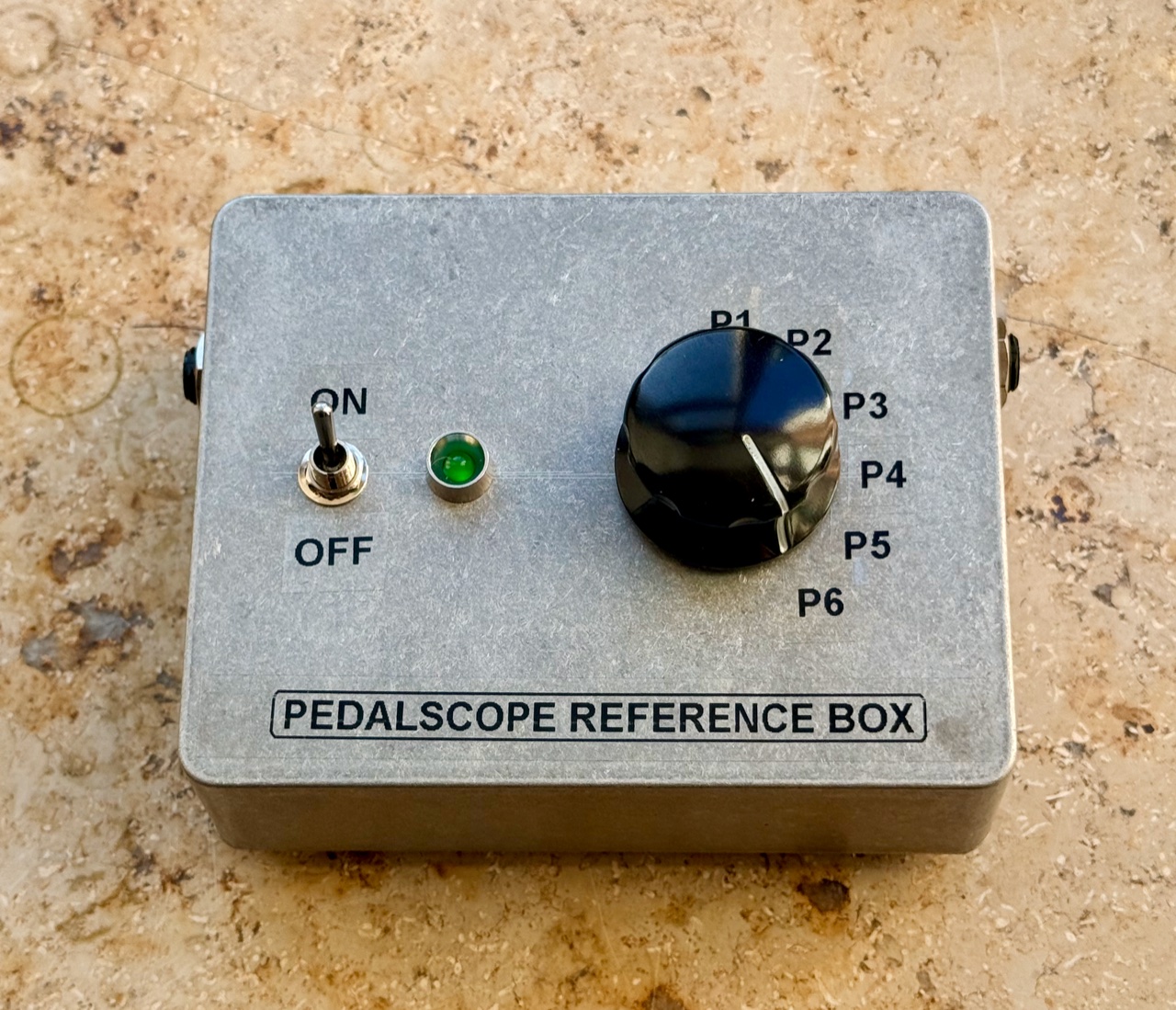
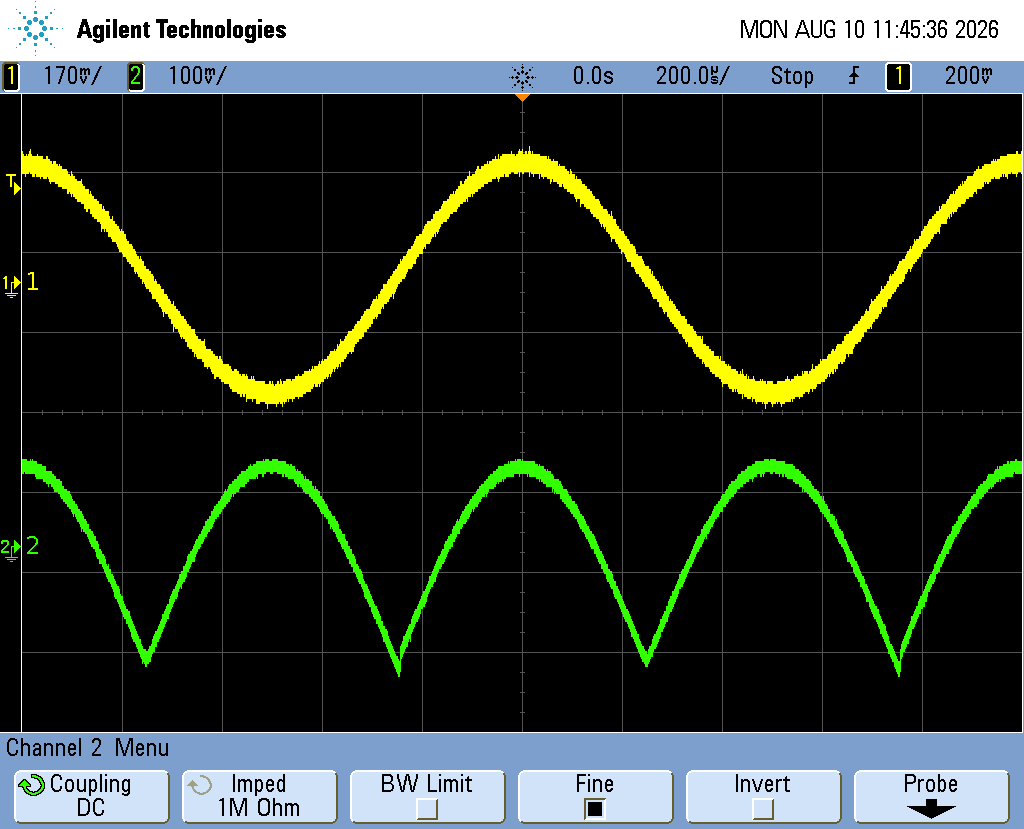
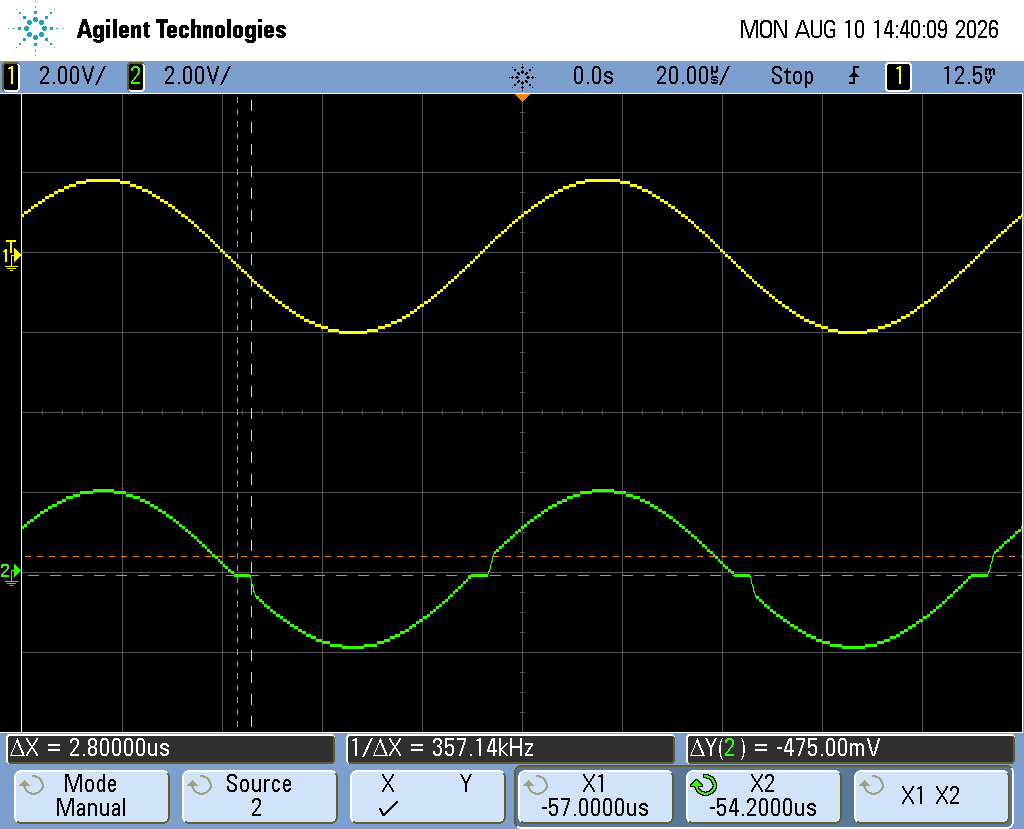
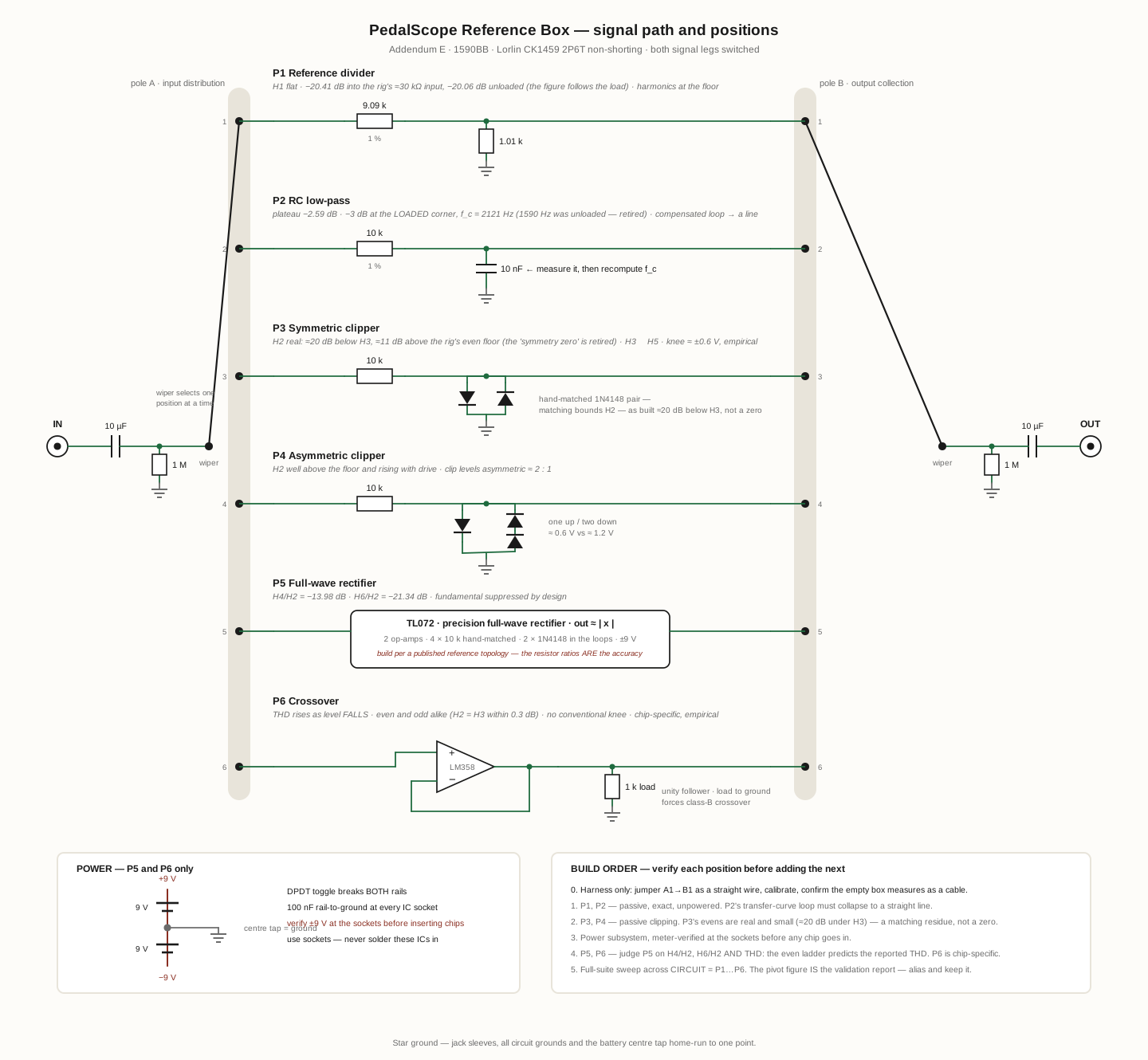
Six small circuits in one box, selected one at a time by a rotary switch, chosen because each one's distortion follows from resistor arithmetic and Fourier theory: a divider, a one-pole low-pass, a symmetric and an asymmetric diode clipper that differ by one diode, a precision full-wave rectifier, and a unity follower driven into class-B crossover. It exists to give the instrument known answers. It is measured, never played — nothing about it was chosen for how it sounds, and it is not a pedal or a product. The published Reference Box library was made with this box, and each measurement on that page sits beside the number that was computed first. Build one, measure it, and the check is yours to repeat.
The files
| Build plan | build-plan.md — the build narrative, position by position, with the as-built predictions and what each one validates. Read it first. |
|---|---|
| Bills of materials | bom-abra.md (a shopping list) and bom-mouser.csv (a distributor-import shape). |
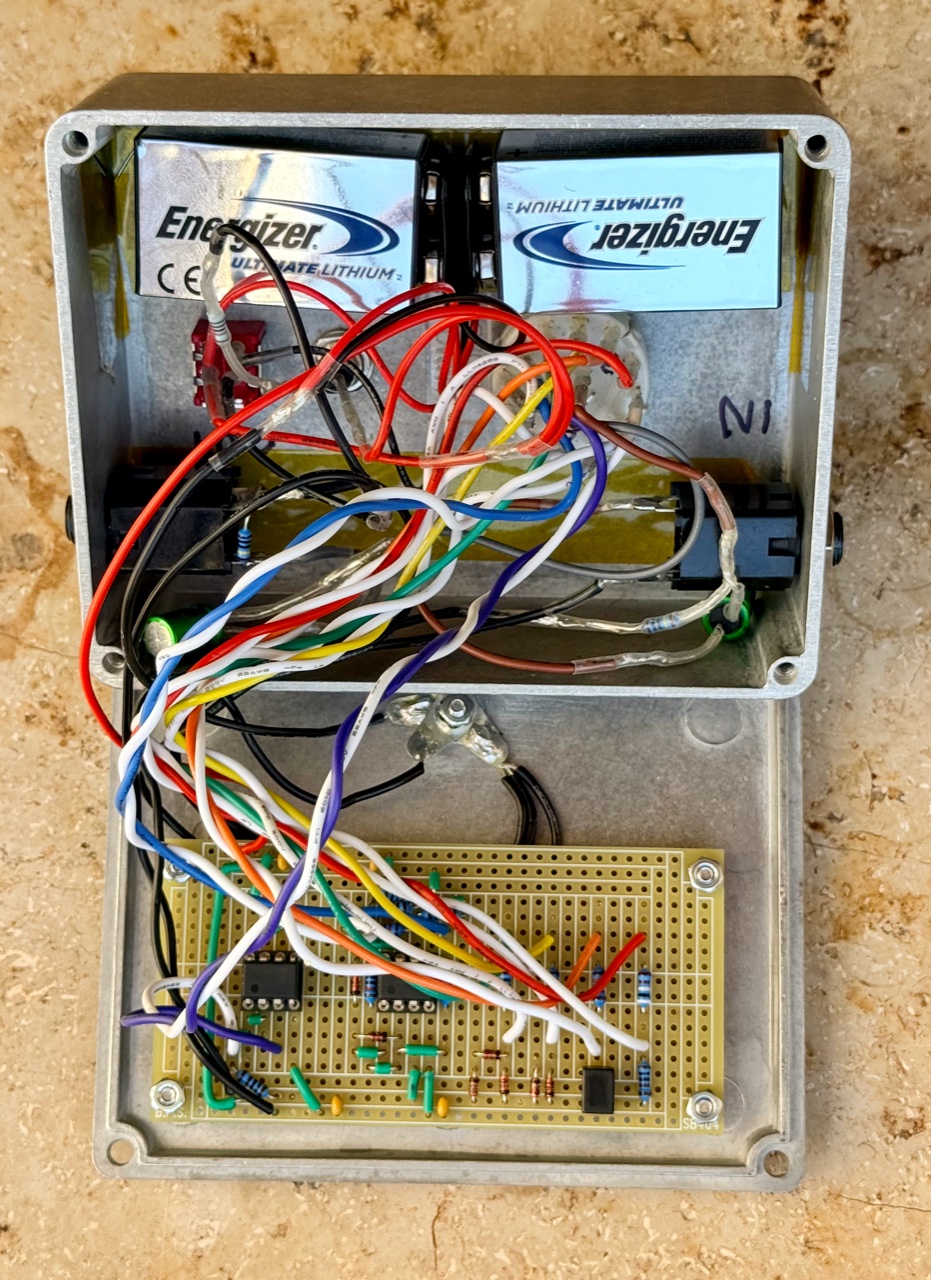
| Photos | The four images above, in photos/: the box from above and opened, and the two oscilloscope captures. |
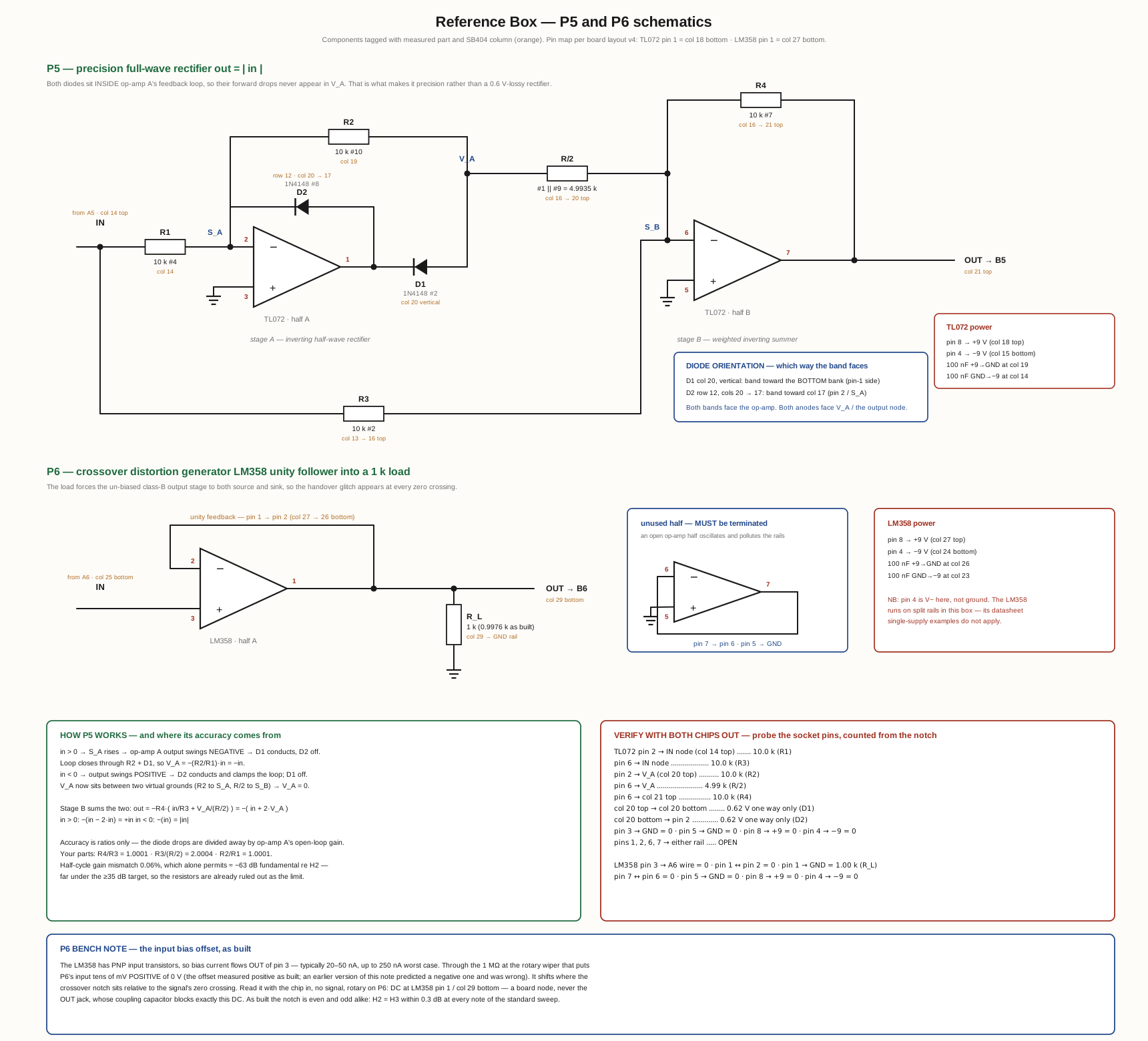
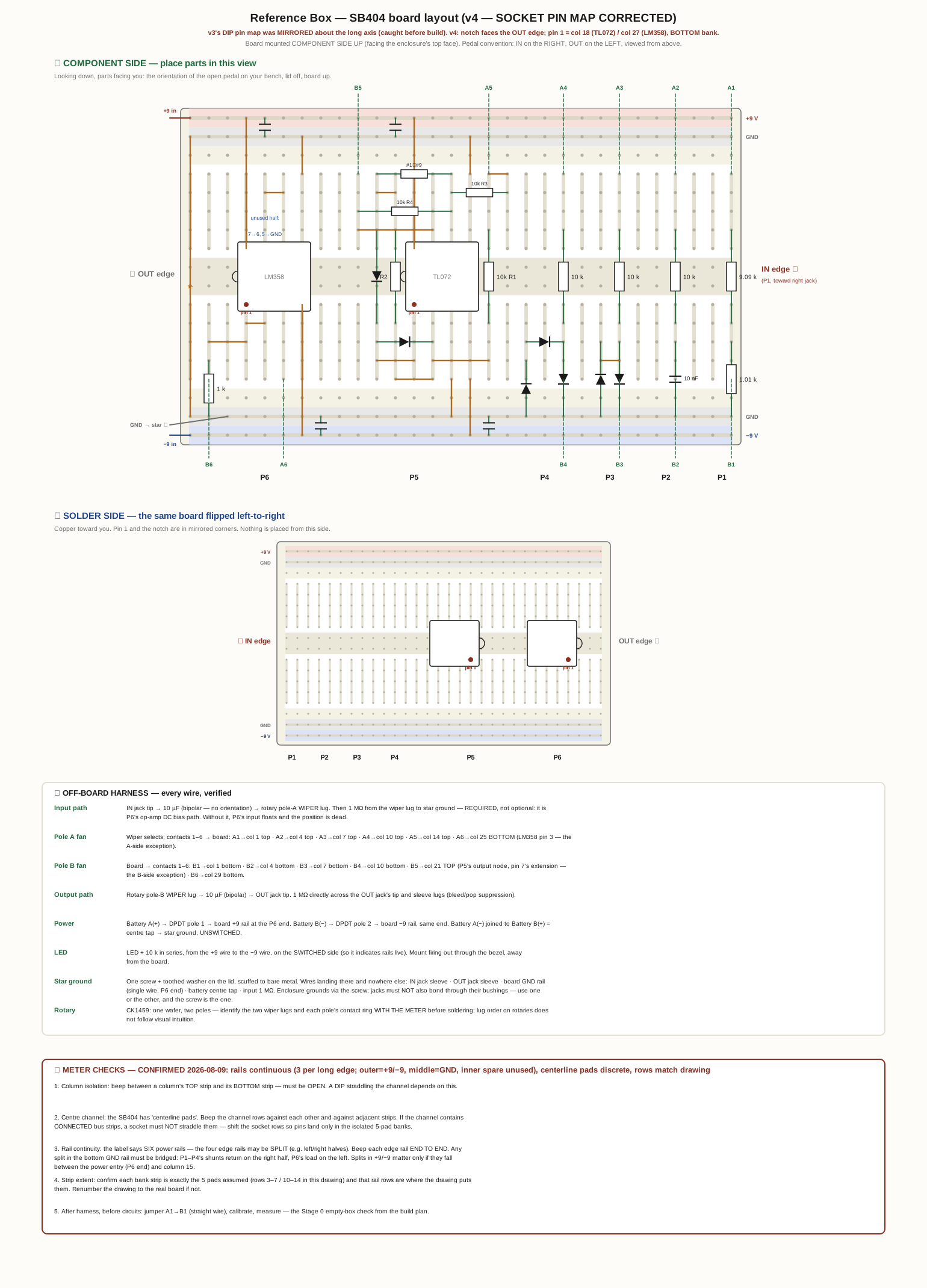
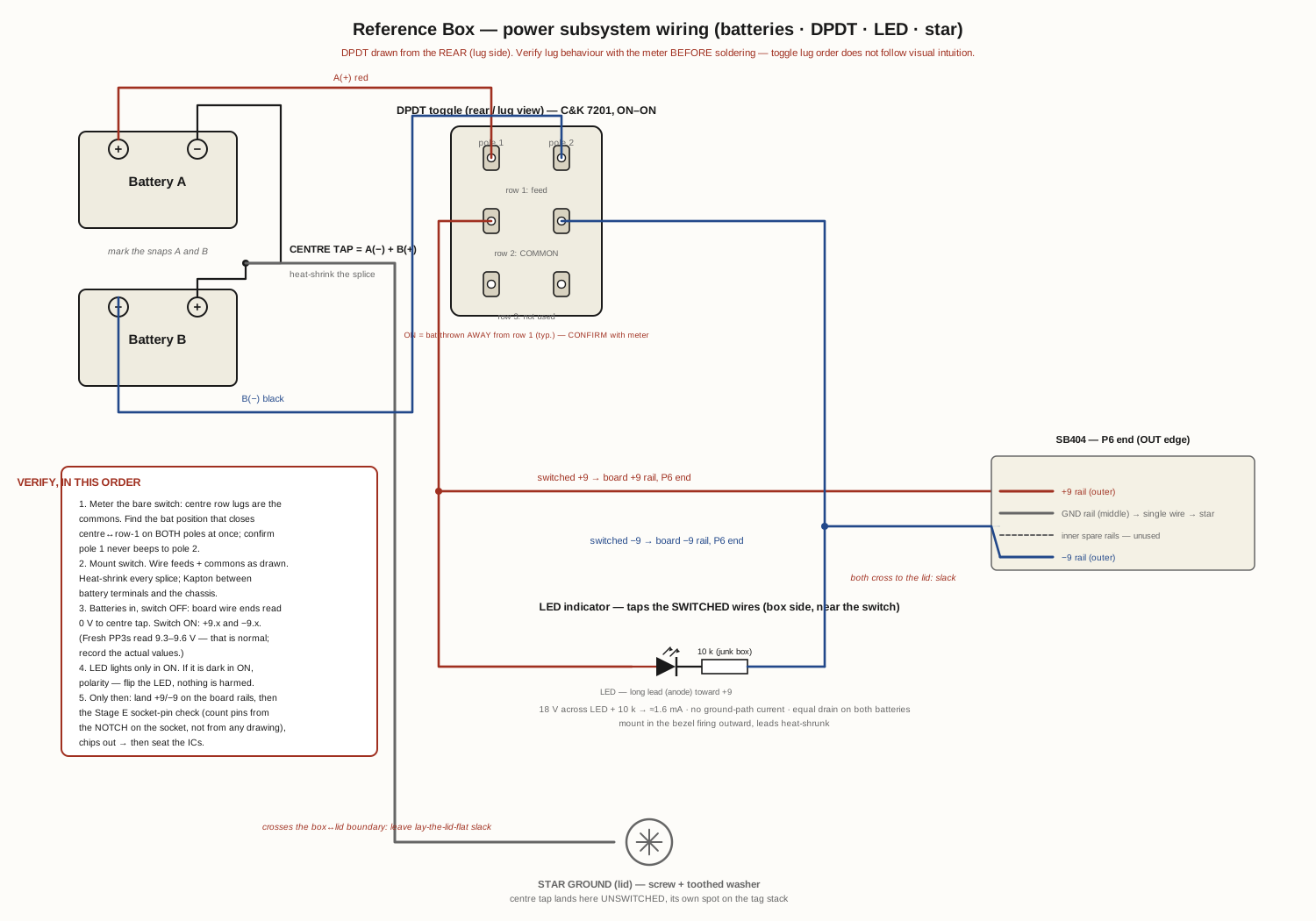
| Schematics | The four SVGs above, and the scripts they are generated from: diagram.gen.py, p5-p6-schematic.gen.py, board-layout.gen.py, power-wiring.gen.py. The schematics are generated, never hand-edited; a change is a change to the script and a rerun with a stock Python 3. |
| Everything, zipped | PedalScope-Reference-Box-plans-8f30a0444715.zip — every file in this table and the photos above, plus the licence and notice. SHA-256 e6df1d73614559b5465db4643896597366afd3c1b84b0f588afc884cc7967884. |
| Revision | 8f30a0444715 — a content hash of the published files (full value 8f30a0444715948ab0dbaf435410b66a5f9ad8c2b148a143f55508efe2b98fa6). It changes only when one of the files does, so two downloads with the same revision are the same plans. |
| In the repository | hardware/reference-box/ — the same files, with the commit that published them. |
| Licence | CERN-OHL-P-2.0, the CERN Open Hardware Licence, permissive variant — build it, change it, sell what you build, with attribution. The notice carries the copyright line. The photos are covered as documentation. |
The plans describe the box as built — the one that made the published library — and its schematics carry the as-built predictions. The bench records that measured it are not published: they are the library's provenance and travel with it.
The PedalScope name and mark are not part of the grant. Building the box, reproducing a method or redistributing a library does not make the result a PedalScope product, and none of the licences above conveys a right to the name.